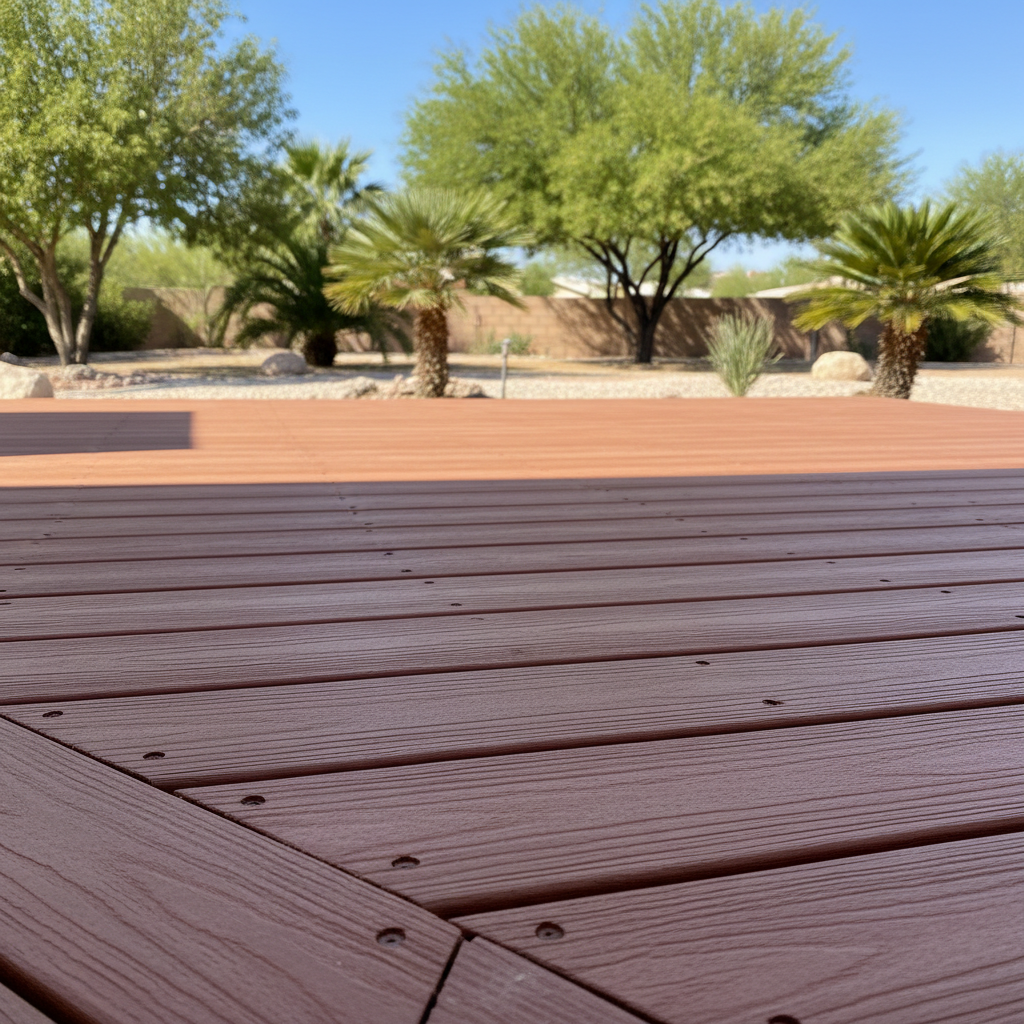
Do I need a permit for a deck in Glendale, AZ?
Yes, you absolutely do, in most cases. Don't let anyone tell you otherwise or try to skip this step. The City of Glendale takes building codes seriously, and for good reason—it's about safety and making sure things are built right. Generally, if your deck is more than 30 inches above the ground at any point, or if it's over 200 square feet, you'll need a building permit. Even if it's lower to the ground but attached to your house, a permit is usually required. Platforms or decks 30 inches or less above grade that aren't over a basement are generally exempt. The City of Glendale's Building Safety Division is who you'll be working with. You'll need to submit detailed plans, including site plans showing where the deck sits on your property, construction drawings, and sometimes even engineered plans if it's a complex build. Permit fees can range from $150 to $500, and the review process usually takes 5-15 business days. Trust me, getting the permit upfront saves you a huge headache down the road, especially if you ever decide to sell your home.
What materials hold up best in Glendale's extreme heat?
This is a big one for us here in Glendale. Our summers are no joke, and that scorching sun can wreak havoc on the wrong materials. You want something that won't warp, crack, fade, or get so hot you can't walk on it barefoot. Here's the rundown:
- Light-colored capped composite or PVC decking: These are your best friends in the desert. They're engineered to resist UV fading and won't dry out and crack like wood. The lighter colors are key here because they stay significantly cooler than dark colors, which can get over 150°F in direct sun. Brands like Trex Transcend in lighter shades or TimberTech AZEK are excellent choices. PVC decking is even more expensive but is practically immune to moisture and UV damage.
- Pressure-treated wood with UV-protective sealing: If you're on a tighter budget, pressure-treated pine can work, but you've got to commit to annual staining and sealing to protect it from our intense UV rays and prevent cracking.
- Ipe and tropical hardwoods: These are super durable and naturally resistant to insects and rot. However, they're expensive and can absorb and retain a lot of heat, so they're often best for shaded areas.
What to avoid? Dark composite colors. Seriously, they get dangerously hot. Also, untreated cedar or redwood will look great for about five minutes before our sun turns them gray and splintered.
How deep do deck footings need to be in Glendale's soil?
Unlike colder climates where you're digging down to the frost line, here in Glendale, our main concern is stability in our caliche-heavy soil and proper load bearing. In the Phoenix metro area, deck footings typically need to extend about 12 inches below grade. However, the City of Glendale's building codes actually amend this, requiring a minimum depth of 18 inches, unless a geotechnical report says otherwise. We're also making sure that any wood in contact with concrete is pressure-treated to prevent rot. A good builder will assess your specific site's soil composition and drainage to ensure a stable foundation, because a deck's longevity starts from the ground up.
What about drainage under and around the deck? Is that important here?
Absolutely, it's critical, especially with our monsoon season. Even though we're in a desert, when it rains, it *really* rains. Poor drainage can lead to water pooling, which can cause structural damage to your home's foundation, deteriorate deck coatings, and even promote soil erosion. It can also be a breeding ground for mosquitoes, and nobody wants that. We always make sure to design decks with proper ventilation underneath to manage heat and prevent moisture buildup. This might involve grading the area away from your house, installing channel drains, or using catch basins to direct water away. Our team at Glendale Custom Decks always considers these things during the design phase to protect your investment.
How long does a custom deck construction project usually take in Glendale?
The timeline for a custom deck project can vary quite a bit, depending on the size, complexity, and materials you choose. Generally, once we finalize the design and get the permits in place (which, as we discussed, can take a few weeks for review), the actual construction phase can take anywhere from 2 to 6 weeks. Simpler, smaller decks might be on the shorter end, while a large, multi-level deck with built-in features will naturally take longer. We always give you a clear timeline upfront, and we work hard to stick to it. Things like unexpected weather (though rare here, those summer storms can pop up!) or material delays can sometimes push things back, but we keep you in the loop every step of the way.
Do HOAs in Glendale have rules about deck construction?
Oh yeah, they sure do. If you live in an HOA community, you'll almost certainly need their approval before you even think about swinging a hammer. HOAs in Arizona have a lot of authority over property modifications, and they'll want to review your plans to ensure your new deck matches the community's aesthetic and guidelines. This usually means submitting detailed plans that specify materials, colors, dimensions, and exact placement. They might even have specific requirements for railing styles or deck heights. It's smart to get their approval in writing *before* you apply for a city permit. We can help you navigate this process, but you'll want to get those HOA documents, like the CC&Rs and architectural guidelines, early on.
What kind of maintenance will my new deck need in Glendale?
Even with the best materials for our climate, a deck isn't completely maintenance-free. It's an outdoor structure, after all! Here's what you'll need to do:
- Regular Cleaning: Sweep off leaves, dust, and debris weekly. Our desert dust can really build up. A thorough cleaning with a deck cleaner and a soft brush or a low-pressure wash once a year will keep it looking fresh.
- Inspections: Periodically check for any loose fasteners, signs of wear, or anything that looks off. Pay extra attention to where the deck attaches to your house.
- Seal/Stain (for wood decks): If you went with a wood deck, you'll need to reapply a UV-protective sealant or stain every 1-3 years to protect it from the sun and prevent drying and cracking.
- Drainage Check: Make sure water is still draining properly and not pooling anywhere, especially after a monsoon.
Even composite decks, while low-maintenance, benefit from occasional cleaning to prevent staining from debris. A little bit of consistent care goes a long way to making your deck last for decades.