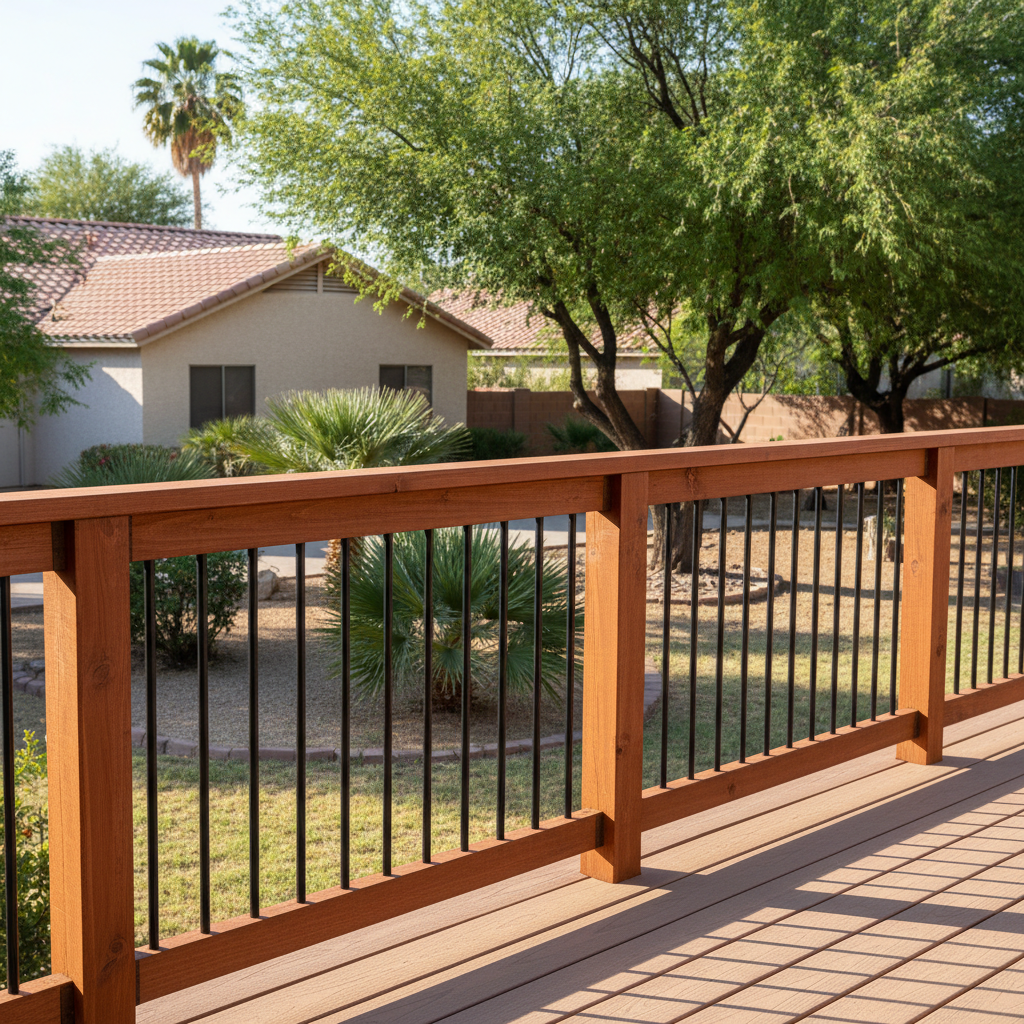
So, you've got a great deck, or maybe you're even building a new one. But when it comes to the railings, that's where I see a lot of folks in Glendale make some real head-scratching mistakes. It's not just about safety, though that's huge; it's about how it looks, how long it lasts, and, frankly, not throwing your hard-earned cash away. Here's what you need to know to avoid regret.
Ignoring Local Building Codes & Permits
This is probably the biggest and most common screw-up I see. People think, "It's just railings, how hard can it be?" Well, Glendale, like every city, has specific building codes, especially for railings. We're talking about minimum height requirements, baluster spacing (no more than 4 inches, folks, so a 4-inch sphere can't pass through), and how they're anchored. You can't just slap something up. If you do, you risk failing inspection, having to tear it all down, and starting over. That's a massive waste of time and money. A good contractor, like us at Glendale Custom Decks, knows these codes inside and out. If a contractor doesn't even bring up permits or codes, that's a giant red flag. Run, don't walk, away from them.
Choosing the Wrong Material for Our Desert Climate
Glendale's sun is no joke, right? We get intense UV rays and scorching summer temperatures. This isn't Seattle. What works great for a deck railing up north might warp, fade, or degrade super fast here. I've seen composite railings that weren't rated for our heat start to sag, and cheap vinyl turn brittle and crack within a few years. Wood needs constant maintenance, and some metals can get dangerously hot to the touch. You need materials that can stand up to our climate, whether it's powder-coated aluminum, high-quality composites designed for extreme heat, or tempered glass that won't shatter under thermal stress. Don't just pick something because it looks good in a catalog; ask about its performance in Arizona.
Underestimating the Importance of Proper Installation
Even the best materials are useless if they're not installed right. Railings aren't just decorative; they're a safety barrier. I've seen DIY jobs where posts weren't properly secured, leading to wobbly railings. That's an accident waiting to happen. For instance, if you're installing a new deck and you're in an older neighborhood like Yucca District or near Thunderbird Park, you might have some unique soil conditions or existing deck structures that require specific anchoring techniques. You can't just bolt it anywhere. A professional knows how to properly secure posts to the deck frame, ensuring they can withstand lateral force. They'll use the right fasteners, account for expansion and contraction, and make sure everything is plumb and level. This isn't a place to cut corners.
Focusing Only on Price, Not Value
Everyone wants a good deal, I get it. But going with the absolute cheapest bid for deck railings is almost always a mistake. That low price usually means one of a few things:
- They're using inferior materials that won't last.
- They're cutting corners on labor or installation techniques.
- They're not licensed, insured, or pulling permits, which puts you at huge risk.
- They're going to hit you with a bunch of 'unexpected' charges later.
Ask for a detailed quote. What materials are they using? What's their warranty? Are they licensed and insured? Do they handle permits? A slightly higher upfront cost for quality materials and professional installation will save you a ton of money and headaches down the road. Think about the long-term value, not just the initial sticker price.
Not Considering Maintenance Requirements
Some railings are practically maintenance-free, like aluminum or certain composites. Others, like wood, require regular cleaning, staining, or painting to look good and last. Glass railings look fantastic but need frequent cleaning to stay clear, especially with our dust and occasional monsoon rains. Before you commit, think about how much time and effort you're willing to put into keeping your railings looking good. If you want a 'set it and forget it' solution, make sure your material choice reflects that. Don't pick a high-maintenance option if you know you won't keep up with it.
Look, your deck is an investment in your home and your lifestyle. Don't let bad railing choices spoil it. Do your homework, ask the right questions, and work with someone who knows what they're doing. It'll make all the difference.