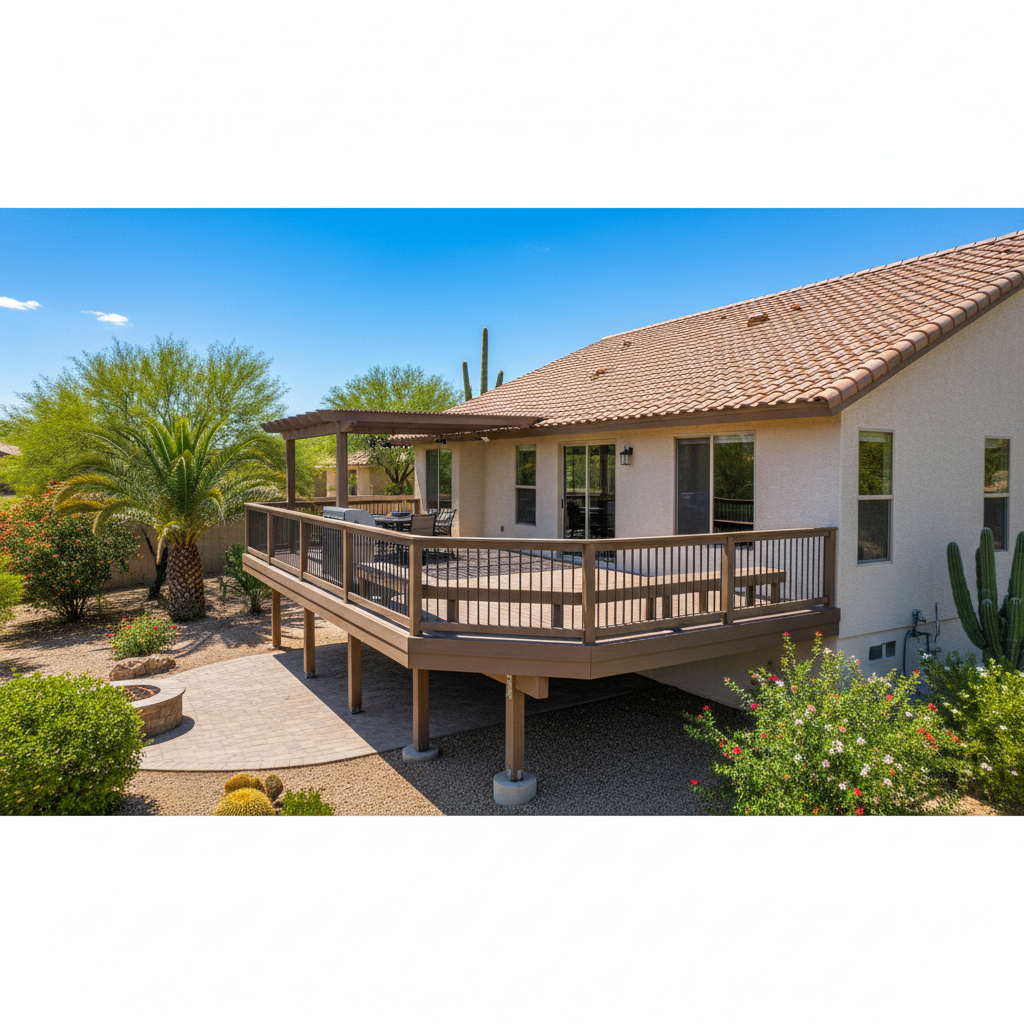
So, you're thinking about adding a deck to your Glendale home? Awesome! A new deck can totally change how you use your outdoor space, whether you're dreaming of family barbecues or just a quiet spot to soak in those incredible Arizona sunsets. But hold on a sec. Before you jump in, you really need to get a handle on what you're signing up for. It's not just about picking out some pretty boards, you know? There's a whole process involved. I've seen plenty of projects come and go over the years, and I'm here to give you the real deal on what to expect, from the very first phone call to that final inspection.
Understanding Your Deck Project Timeline
Let's talk about how long this whole thing actually takes. A lot of folks imagine it's a quick weekend job, but that's rarely the case, especially if you're doing it right and pulling permits. Generally, you're looking at a few distinct phases, and each one has its own timeline to consider.
- Initial Planning & Design (2-4 weeks): This is where you figure out exactly what you want. What size deck? What materials will you use? Do you need a pergola for shade? This stage means talking to a few contractors, getting estimates, and finalizing your design. Seriously, don't rush this part. A good design prevents so many headaches later on.
- Permitting (4-8 weeks, sometimes more): This is often the longest and most unpredictable part of the process. Glendale, just like any city, has its own rules and regulations. We have to submit detailed plans to the city, and they'll review them for structural integrity, zoning compliance, and all that good stuff. Depending on how busy they are, this can take a while. Sometimes they'll even ask for revisions, which, of course, adds more time to the clock.
- Material Ordering & Delivery (1-3 weeks): Once we've got those permits in hand, we can order your materials. Specialty decking like Trex or certain hardwoods might have longer lead times. We'll coordinate delivery so everything's ready to go when we actually break ground.
- Construction (2-4 weeks): This is the fun part! Once we start building, a typical residential deck usually takes about two to four weeks to finish. That depends on how complex it is, its size, and, naturally, the weather. We're not just talking about monsoon season downpours that can really slow things to a crawl; even extreme heat can affect work schedules for safety reasons, believe it or not.
So, from your first call to enjoying that first cup of coffee on your new deck, you're generally looking at anywhere from 2 to 4 months. Patience is definitely a virtue here, trust me on that one.
What to Expect During the Process
Once we've got a contract signed and those permits approved, here's what you can expect:
- Site Preparation: We'll mark out the deck area. This might involve some minor excavation, especially if your yard isn't perfectly level. We'll need access for equipment and materials, so clearing the area around where the deck will go is a huge help.
- Foundation Work: This is absolutely crucial. We'll dig and pour concrete footings. In Glendale, with our often caliche-rich soil, proper footing depth and width are essential to prevent settling and ensure long-term stability. This isn't something you want to skimp on, ever.
- Framing: This is where your deck really starts to take shape. We'll build the support structure – the beams, joists, and the ledger board that attaches to your house.
- Decking & Railings: Once the frame is solid, we'll lay down your chosen decking material and install the railings. This is when it really starts to look like a deck!
- Finishing Touches: Stairs, trim, any built-in benches, and a final clean-up. We'll make sure everything is secure and looks great.
- Final Inspection: The city will do a final inspection to make sure everything was built to code.
We'll keep you in the loop every step of the way. You'll see progress, and we'll be right there to answer any questions you might have.
How to Prepare Your Home and Yard
You can definitely help make the process smoother. Here's how:
- Clear the Area: Move any patio furniture, grills, planters, or anything else from the immediate construction zone. The more space we have, the faster and safer we can work.
- Access: Make sure we have clear access to the backyard. If there's a gate, ensure it's unlocked or give us a key/code.
- Utilities: Mark any sprinkler lines, buried dog fences, or other underground utilities that aren't already marked by Blue Stake. We'll call Blue Stake, but sometimes private lines aren't included in their service, you know?
- Pets & Kids: Keep pets and children away from the construction area for their safety. It's a busy site with tools and materials, after all.
- Communication: Be available for questions. Sometimes we'll need a quick decision on something, and a prompt answer keeps things moving along.
Key Questions to Ask Before Signing a Contract
Before you commit to any contractor, including Glendale Custom Decks, you need to ask some pointed questions. Don't be shy; it's your home and your money, so speak up.
- Are you licensed and insured? This is non-negotiable. Ask for proof of both. A reputable contractor will have no problem providing it.
- What's included in the estimate? Get a detailed breakdown. Does it cover permits, materials, labor, and clean-up? What about demolition of an old deck, if that's part of the plan?
- What's the payment schedule? A fair schedule usually involves an initial deposit, progress payments, and a final payment upon completion and your satisfaction. Be wary of contractors asking for a huge upfront payment – that's a red flag.
- Who pulls the permits? A good contractor will handle all the permitting process for you.
- What kind of warranty do you offer on your work? And what about material warranties? Understand what's covered and for how long.
- Can I see references or examples of your work? Look at their portfolio, and if possible, talk to past clients.
- What's your communication plan during the project? How often will you get updates? Who's your main point of contact?
- What happens if there are unexpected issues or changes? How are change orders handled? Get it in writing.
Asking these questions upfront will save you a lot of grief down the road. It ensures everyone's on the same page and helps you pick the right team for your project. A new deck is a big investment, and you absolutely deserve a smooth, professional experience.